On the Tip of Her Tongue
On the Tip of Her Tongue is a gastronomical performance that explores women’s stories through food as a sensorial language. Structured as a shared meal, the work bypasses visual and verbal narration, allowing taste, scent, and temperature to carry memory and meaning. By transforming dining into dramaturgy, the project invites audiences to metabolise lived experience, challenging the hierarchy of senses and reframing embodied knowledge as a site of storytelling.
Gastronomical Performance (WIP)
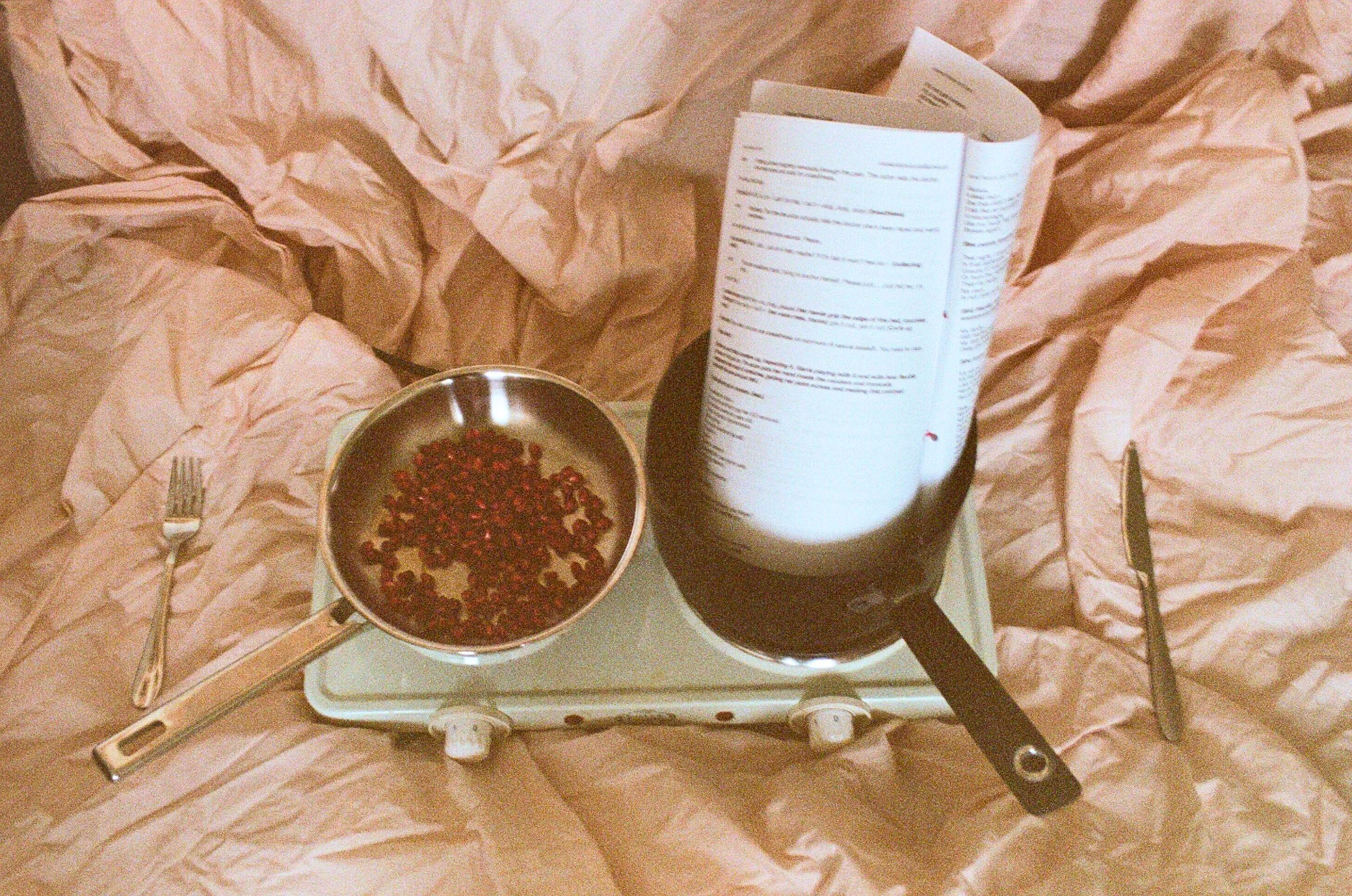
Maria-Rapaz (Tomboy)
(On the Tip of Her Tongue, First Edition)
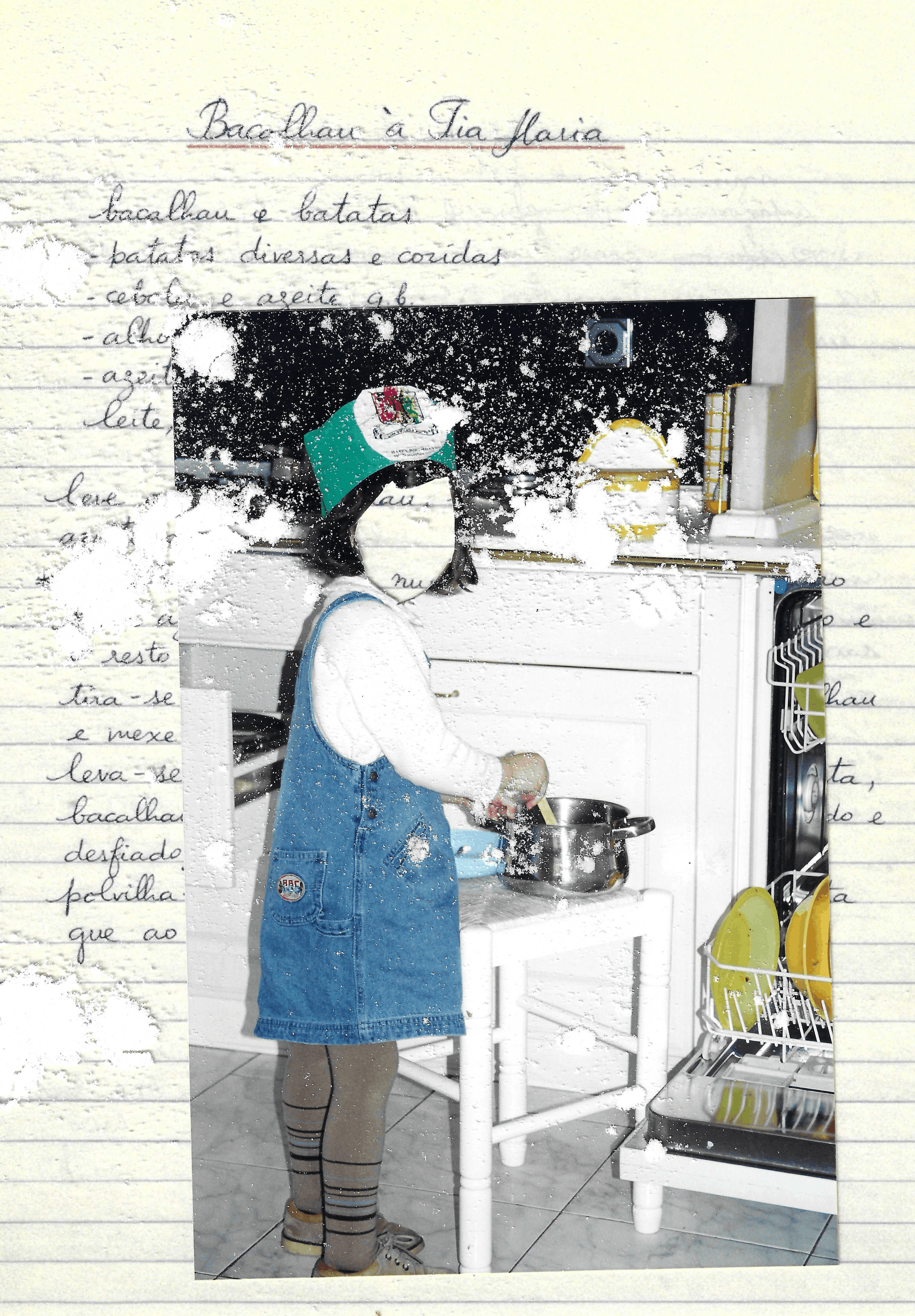
What if the dinner was the play?
Maria-Rapaz (Tomboy) unfolds around a table, where food is the plot and eating is the dramaturgy. This is not theatre about food — it is theatre through food.
Set between a pristine fine-dining kitchen and the warm chaos of a home kitchen, this work follows two women as they cook, eat, talk, and reveal what often goes unseen.
Drawing on Portuguese family recipes and queer experience, Maria-Rapaz asks: what counts as art? Who gets recognised? And what kinds of knowledge travel when we share a meal? The audience is invited to sit, to taste, and to witness a story about what it means to be sustained — not just fed — in a world that rewards spectacle over care.
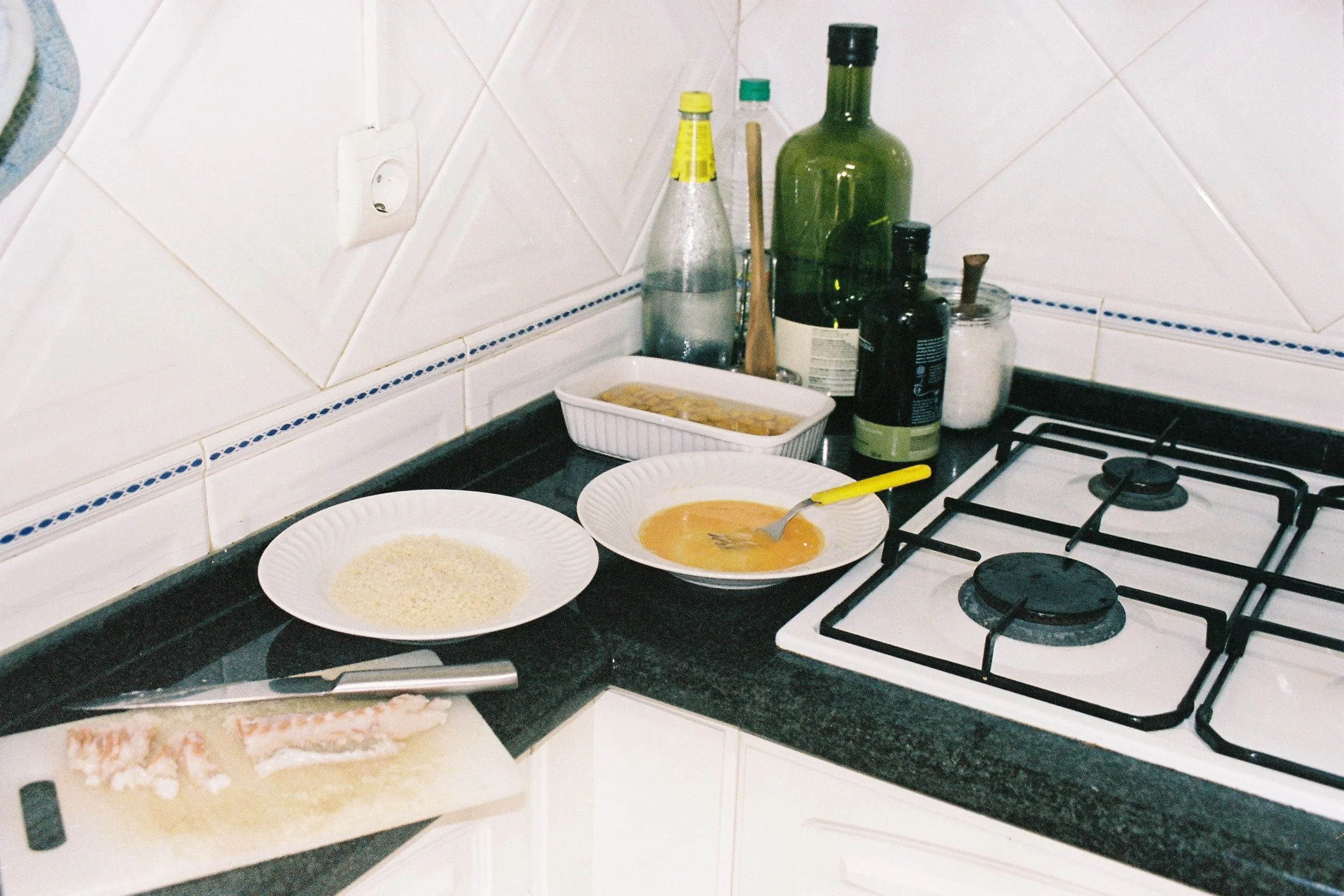
Workshop_Arquivo de Receitas Queer
A workshop-performance that treats food as a living archive, rewriting memory, inheritance, and intimacy through queer perspectives.
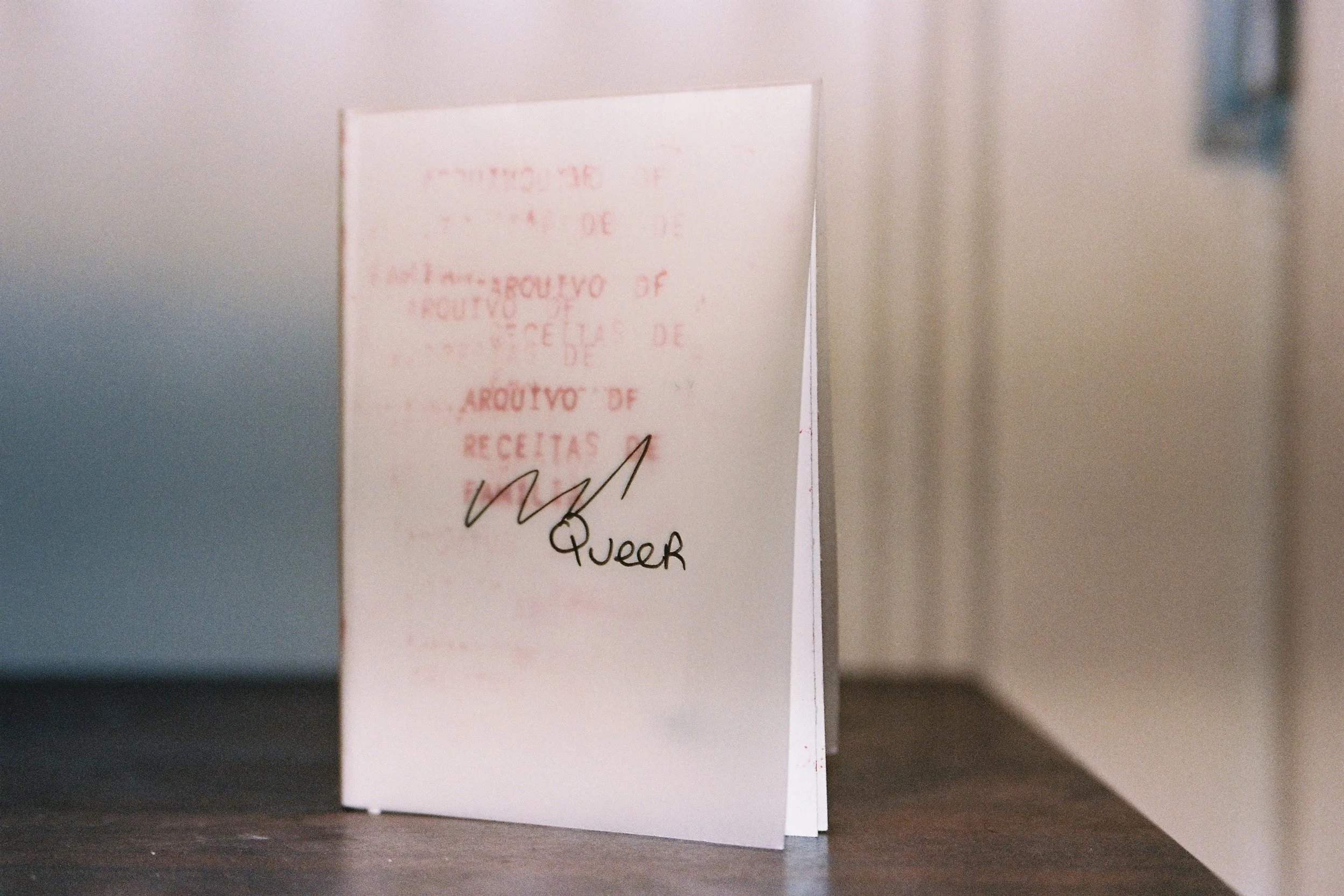
Arquivos de Receitas Queer is a workshop-performance that brings together food, memory, and embodied writing as tools for queer re-imagination. Starting from the idea of the family recipe as a living archive—one that carries labour, gender roles, migration, survival, and silence—the workshop invites participants to reflect on how culinary knowledge is transmitted, preserved, and inherited.
Through a performative cooking moment and a hands-on zine exercise, participants are invited to queer a recipe from their own personal or chosen family history. The focus is not on cooking “correctly,” but on treating food as language: something that can be edited, interrupted, annotated, and rewritten. Each participant leaves with a layered zine—part recipe, part archive—constructing a personal record of memory, adaptation, and queer transmission.
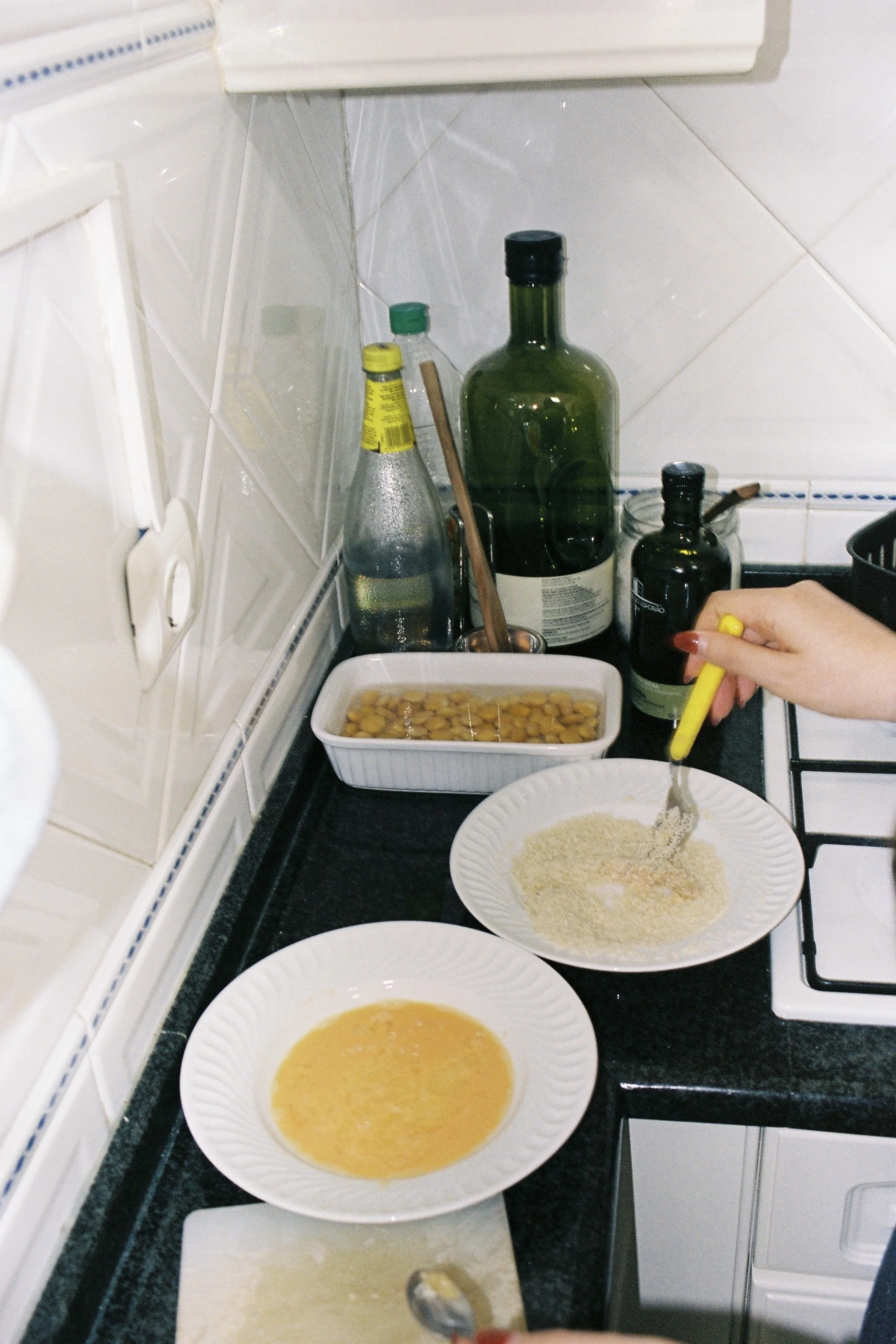
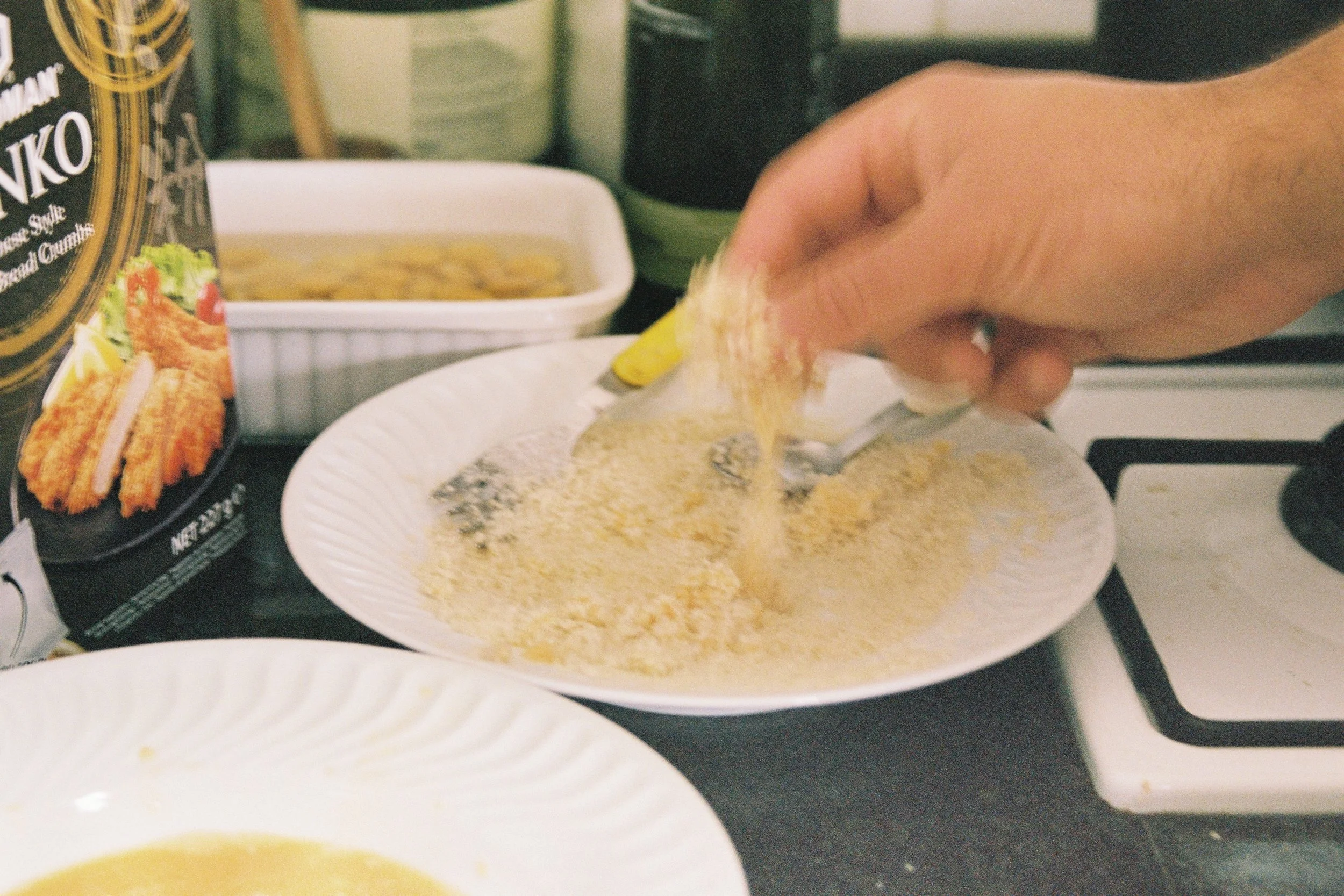
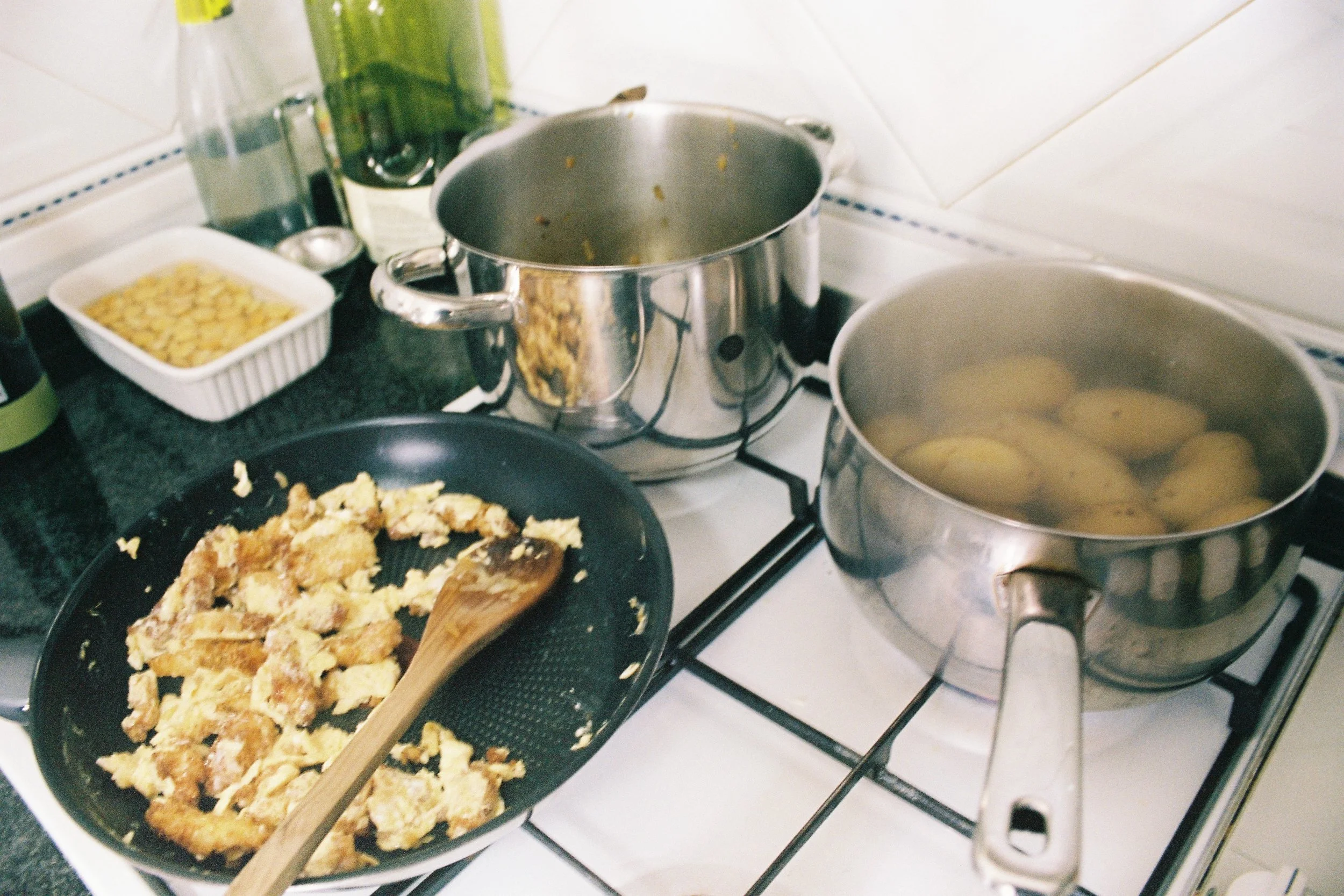
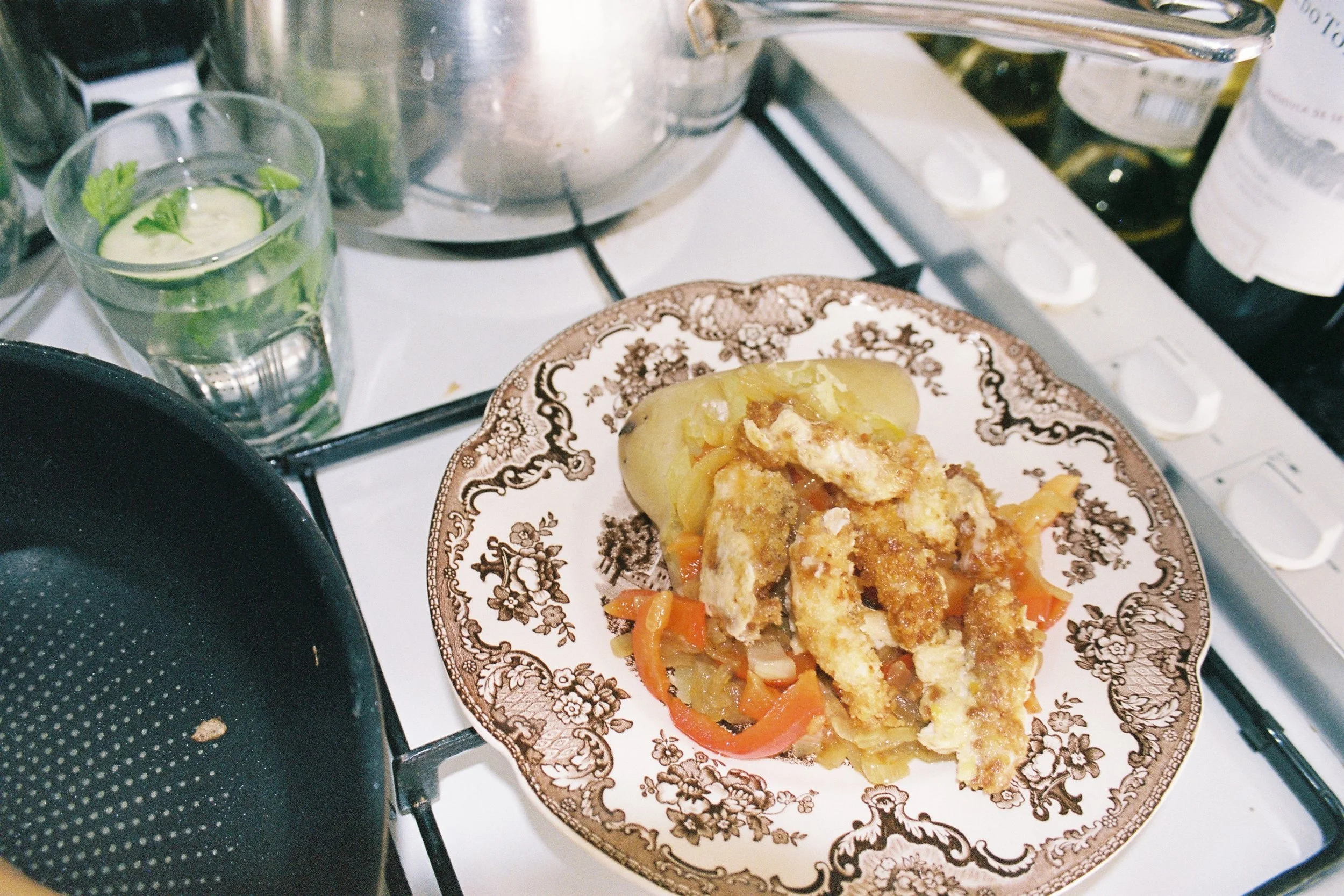
This work takes the traditional Portuguese recipe Bacalhau à Brás and treats it as a structure rather than an instruction.
To queer the recipe is not to reinterpret its flavour, but to intervene in how it operates: how it is transmitted, who it assumes as cook, how it demands repetition, and how it resists authorship. The substitution of cod with sea bass functions as a small but deliberate displacement—enough to loosen certainty without announcing rupture.
The recipe is approached as an archive: of domestic labour, gendered knowledge, and cultural inheritance. Through alteration, omission, and imprecision, the logic of correctness is suspended. Measurements lose authority. Sequence becomes negotiable. The recipe no longer guarantees the same result.
Queering, here, is a methodological act. It introduces instability into something designed to be repeatable. It allows deviation to enter a system built on obedience.
The work does not propose a new version to be mastered, but a process to be inhabited. The recipe remains open, unfinished, and contingent on the body that performs it.
Robalo à Brás
(sea bass, eggs, onions, potatoes, red pepper, olive oil, salt, hesitation, inherited gestures, deviation)